
Breaking the silence around TB stigma
Kenya has made huge progress against TB — but stigma, discrimination and quiet human rights violations still keep people from seeking care, finishing treatment, and knowing their rights. Two gatherings this quarter worked to change that, from the county level down to patients themselves.
Kenya has made huge progress in TB prevention, diagnosis and treatment. Yet people affected by TB continue to experience stigma, discrimination and other human rights barriers — in their families, their communities, their workplaces, and within the health system itself. That can look like a TB status disclosed without consent, discrimination at work, barriers to accessing services, or simply not knowing what complaint, legal and referral mechanisms even exist. Each of these barriers discourages people from seeking timely care, completing treatment, or exercising their rights at all.
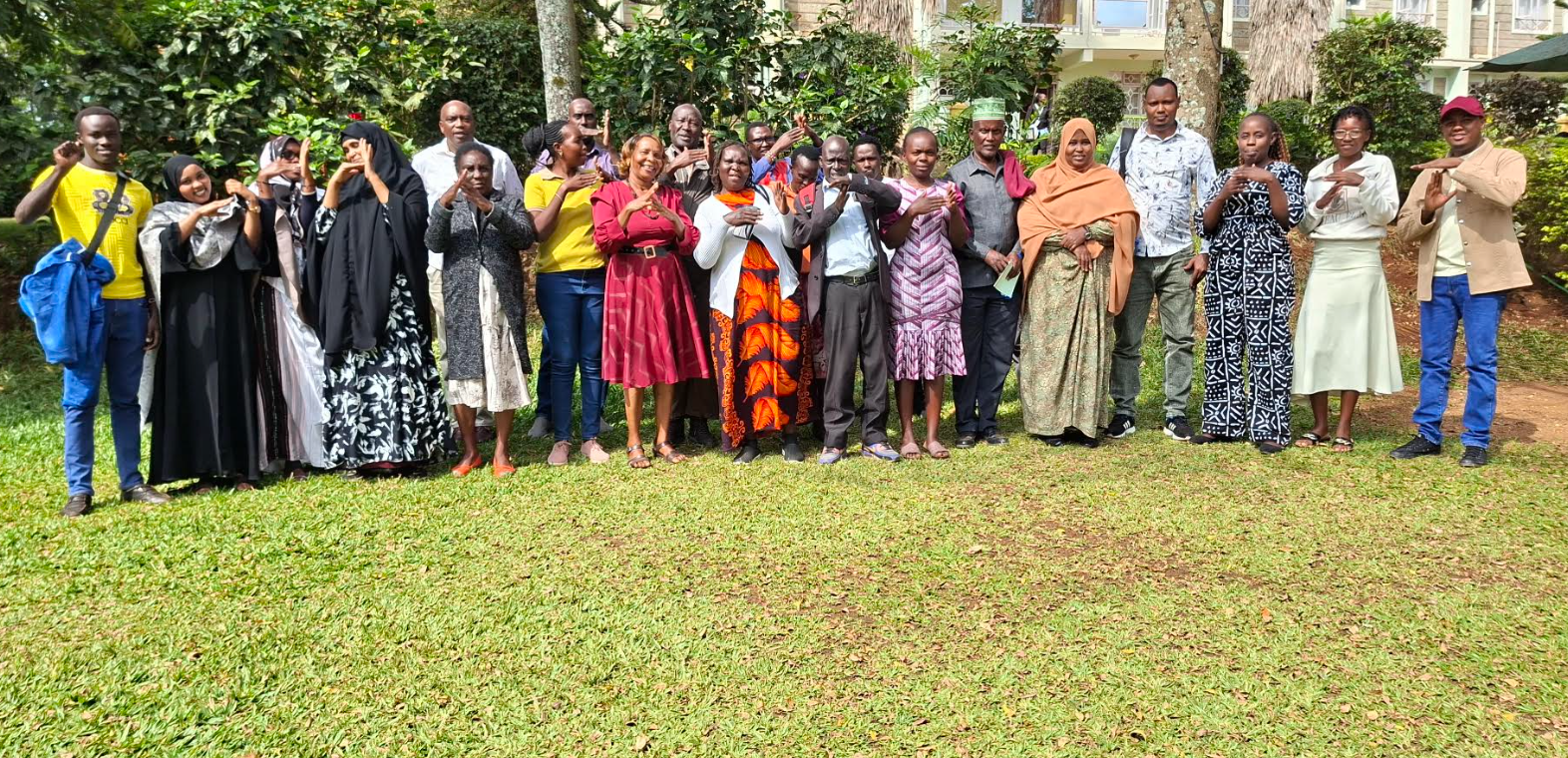
Photo — TB Champions from five counties at the NER annual cross-learning meeting.
Five counties, one shared strategy
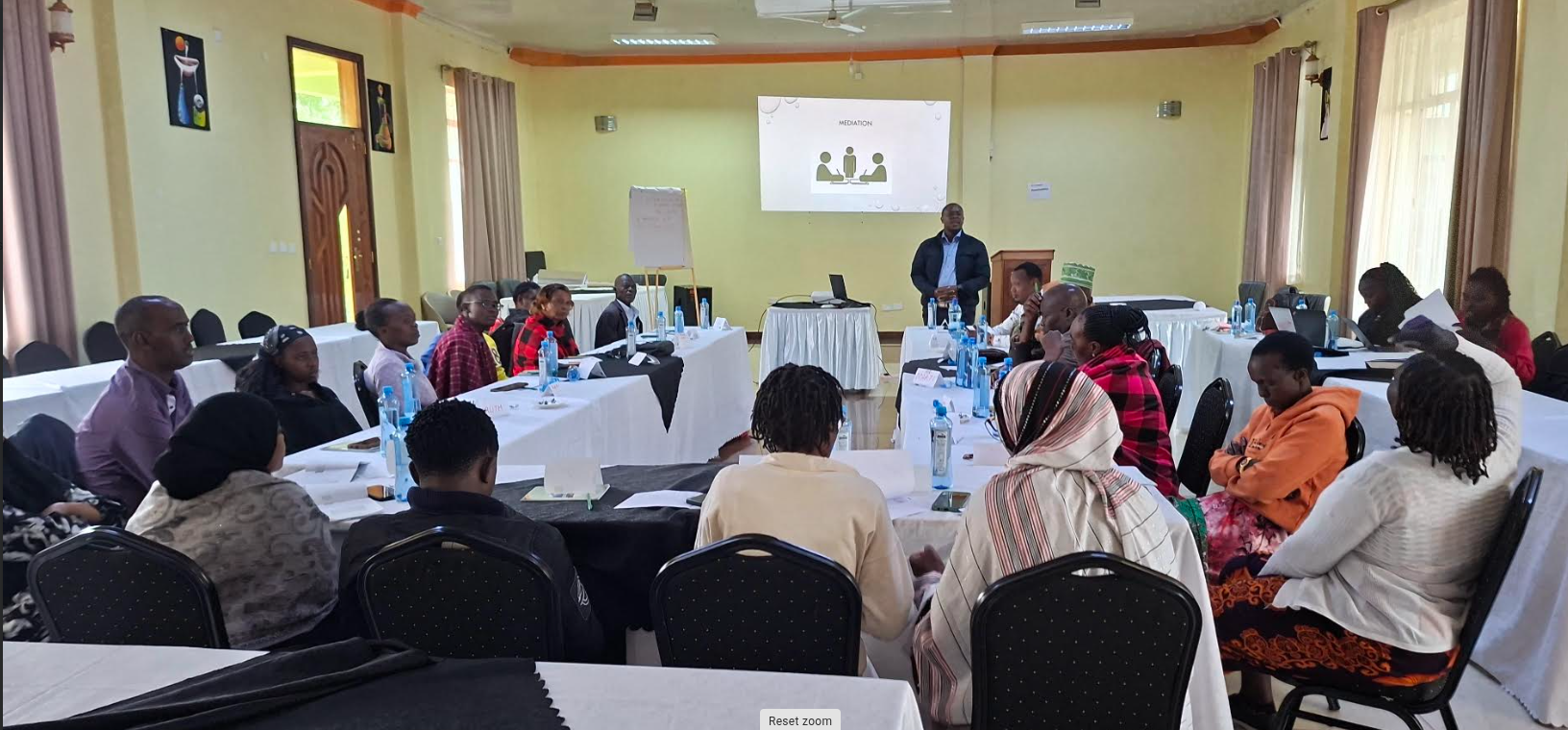
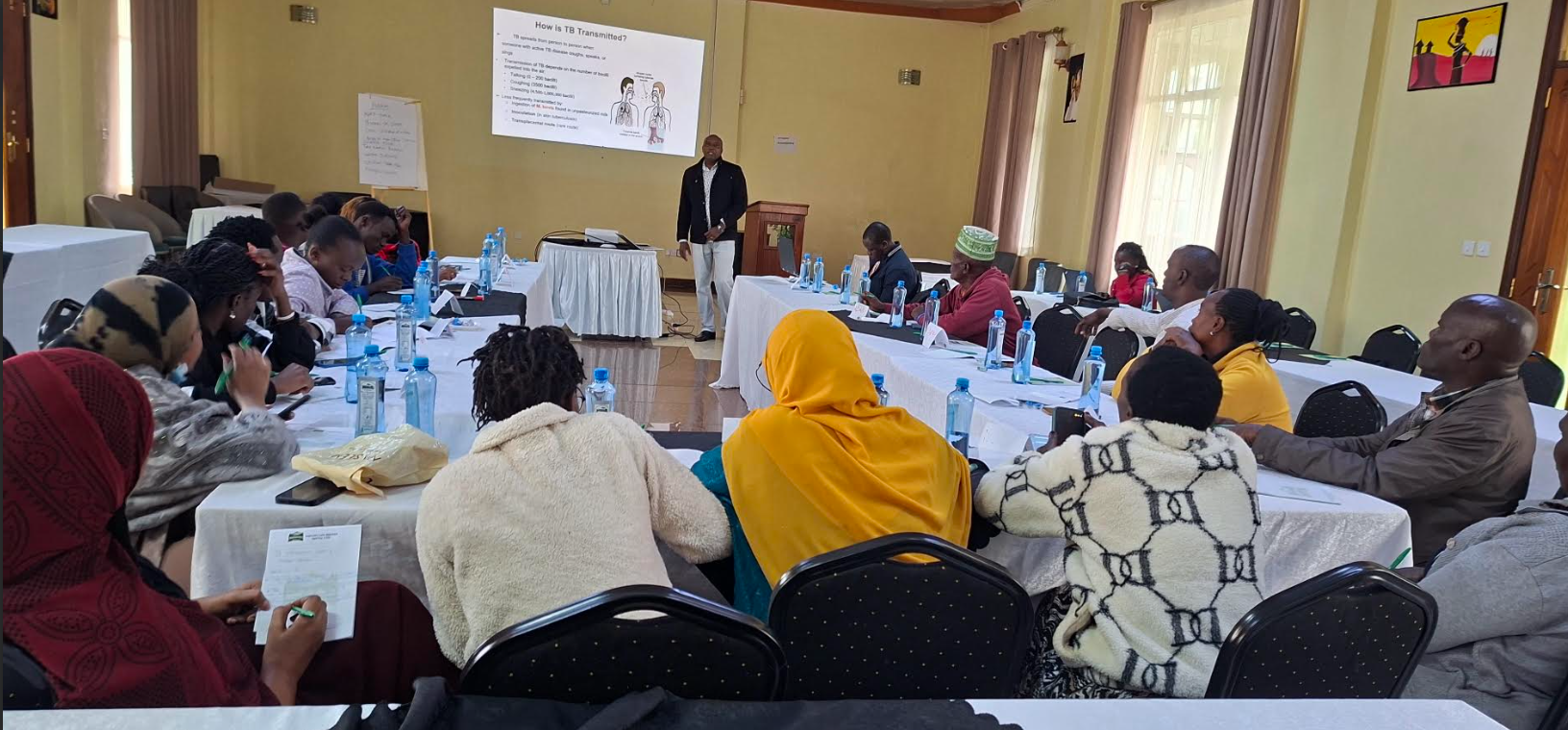
To confront these barriers directly, Kenya Red Cross Society coordinated a North Eastern Region annual cross-learning meeting for TB Champions, bringing together representatives from Samburu, Meru, Isiolo, Garissa and Mandera — five of the twenty counties in Kenya carrying the country's highest TB burden.
The two-day engagement was supported by SPLN alongside HWWK and WEFKO CBO. It gave TB Champions from across the region a rare chance to sit in one room and compare notes — sharing best practices and strategies, naming the challenges they're each facing in tackling TB stigma, and mapping out a way forward to break down the barriers still standing between people and the care they need.
Then: patients built a support network of their own
A second, related gathering followed, this time centred on patients rather than programme staff. Its purpose was to map and establish a peer support programme among TB and drug-resistant TB (DR-TB) patients, along with vulnerable and key populations who had experienced TB-related stigma first-hand — creating a space where they could share their experiences and support others still going through it.
The forum opened a dialogue platform that many of the attendees said they'd never had access to before: a room full of people who understood exactly what TB-related stigma feels like, without needing it explained.
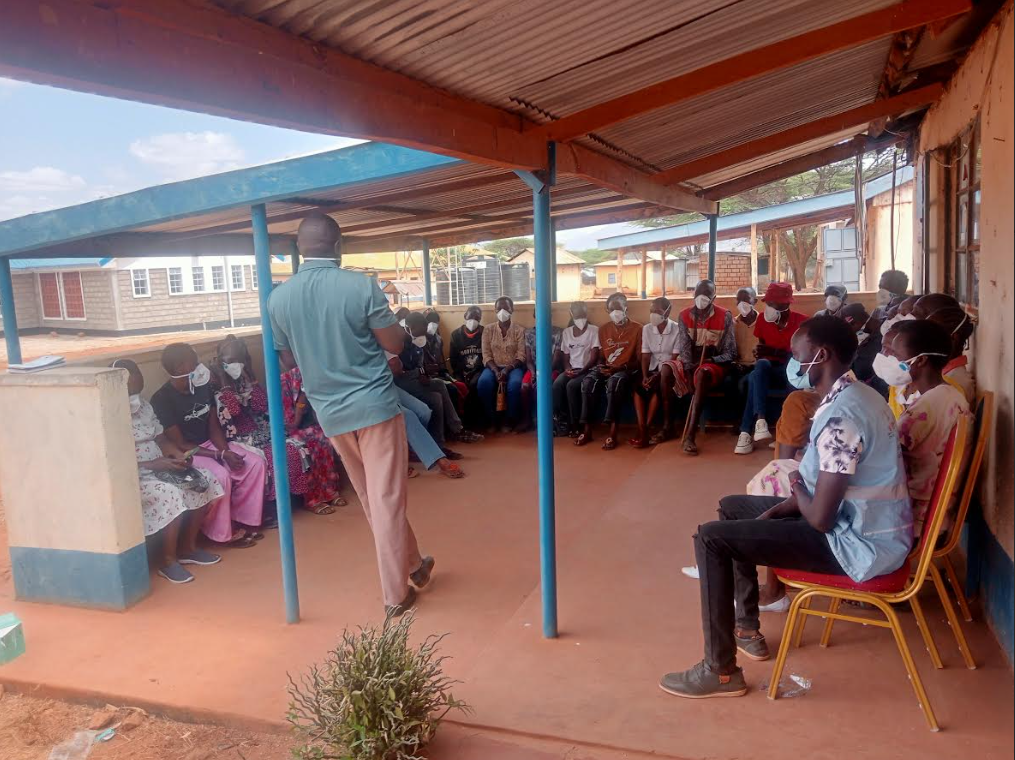
Photo — TB patients sharing their experiences at the peer support forum.