
How our community paralegals help survivors reach justice
When a child in one of our member villages survived a serious assault, a community paralegal walked the family through nearly a year of court proceedings — and helped secure a conviction.
In October last year, a 10-year-old boy in one of the villages we work in was assaulted by a known community member on his way to school. His headteacher noticed something was wrong and rushed him to hospital, where he was treated and started on PEP as an HIV prevention measure. His mother called one of our trained community paralegals that same day for guidance on what to do next.
What followed was nearly a year of support most families would struggle to manage alone. Our paralegal helped the family file a police report, then stayed with them through a long court process — mentions, postponements, and eventually testimony from the boy himself, his teacher, a health worker, and the investigating officer. Every time a hearing was scheduled, including a mobile court session held outside town, SPLN covered transport so the family never had to choose between attending court and affording the trip.
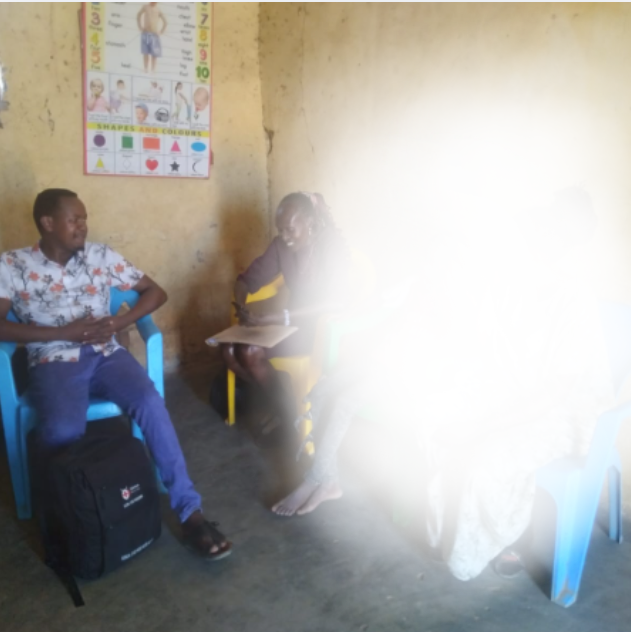
Photo — a paralegal on a home visit,
Justice, but not the finish line
In January this year, the perpetrator was found guilty and sentenced to 30 years in prison. The boy's mother told us she couldn't have navigated the process without a paralegal beside her — someone who understood the system, showed up for every hearing, and made sure her son's voice was heard in court.
It's a reminder of why this part of our work matters as much as our health programmes: justice often depends on having someone walk beside you through a process that can otherwise feel impossible to face alone.