
Fifty people across Samburu's support groups — PLHIV and TB patients alike — spent late June relearning a fact that shouldn't be news: that a diagnosis doesn't erase your right to a job, your right to privacy, or your right to say no to treatment you haven't agreed to.
This round of Know Your Rights sessions was broader than most, deliberately covering both HIV and TB in the same breath — a reminder that stigma rarely respects the line between the two diseases, and neither should the rights meant to protect people from it.
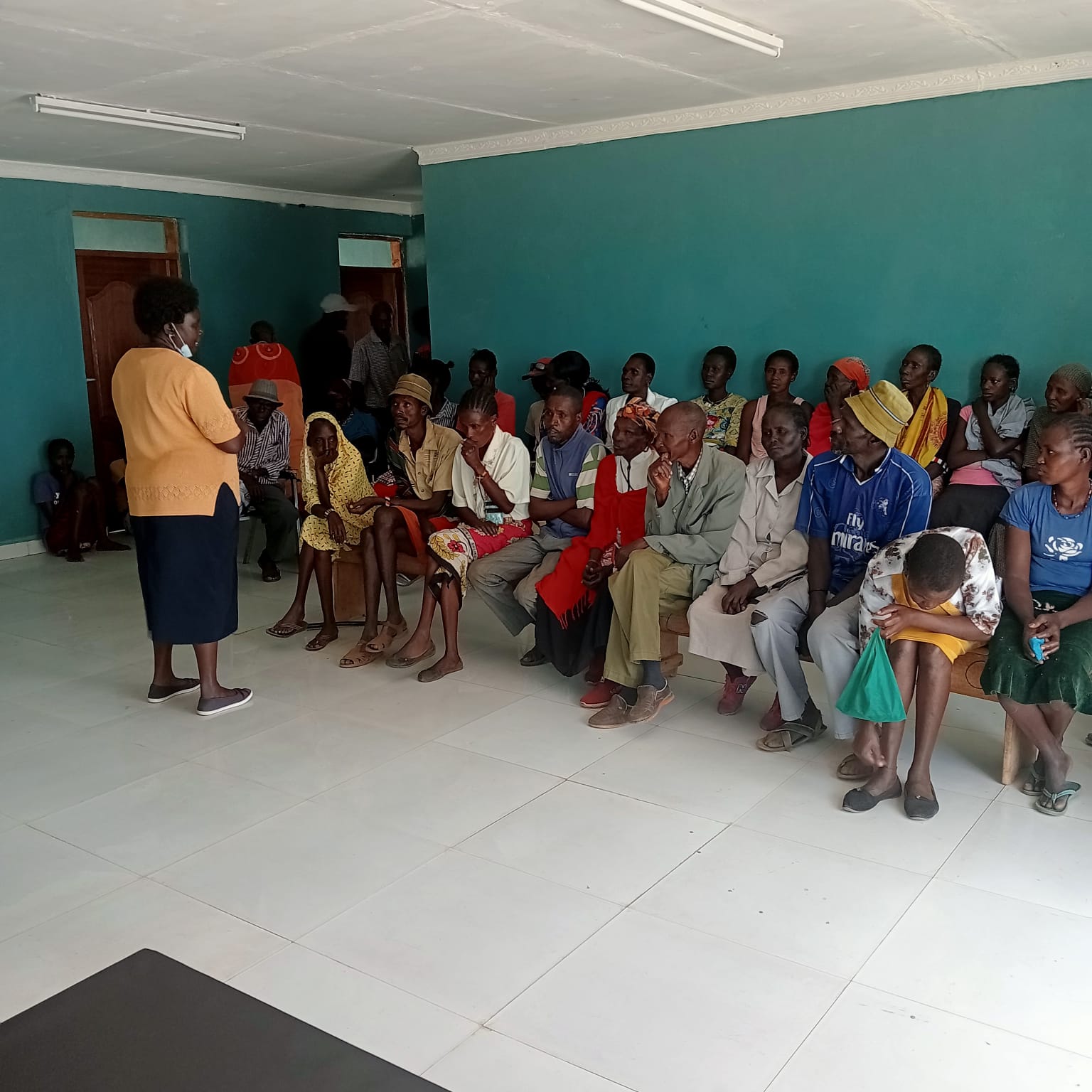
Rights that rarely make it into a diagnosis conversation
Paralegals worked through the rights that matter most day-to-day: the right to the highest attainable standard of health, protection from workplace and social discrimination, confidentiality of medical records, informed consent before any treatment, and freedom from forced or involuntary detention in a health facility. For TB patients specifically, the group covered something many didn't know — that a clinic card lets you collect a refill from any public facility, not just your usual one, without being treated as a defaulter.
No one should be denied health services because of their existing conditions. From the Know Your Rights session notes
From awareness to a case file
These sessions do more than inform — they identify. Paralegals use each one to profile emerging cases, which are then routed either to Alternative Dispute Resolution or on to the Legal Aid Clinic and its pro bono lawyers. A rights session, in other words, is often where a case first gets noticed.
Shared with
SPLN Executive · Regional Program Coordinator · Project Officer · Finance Officer
Fifty people now carry a clearer picture of what protects them — from the right to refuse treatment they haven't agreed to, to the right to collect their medication from any public facility in the country. Small facts, with real weight behind them.