
For the Samburu Central Positive Living Network (SCPLN), it started as a routine visit to the CASCO's office. It ended four days later with 36 children declared HIV-free, and a handful of mothers brave enough to tell the world how they got there.
SCPLN was registered under the Ministry of Gender, Children and Social Services, with a mandate to build a community that understands HIV/AIDS prevention, reduces stigma, and defends the rights of people living with HIV. Sub-granted by KRC through the Global Fund, the network runs the HIV programme across Samburu County — expanding testing, treatment, care, and community health systems in support of Kenya's Vision 2030 health goals.
At the centre of that work sit eight expert mothers, based at health facilities but working mostly in the community: home visits, treatment literacy, and the slow, patient work of walking new mothers through a diagnosis they didn't expect.
Four days, one story
Documenting the graduation took as much planning as the event itself.
The KRCS and SCPLN teams visit the CASCO's office. The Regional Program Coordinator explains the purpose of the visit and requests permission to interview facility staff and the mothers whose children are graduating.
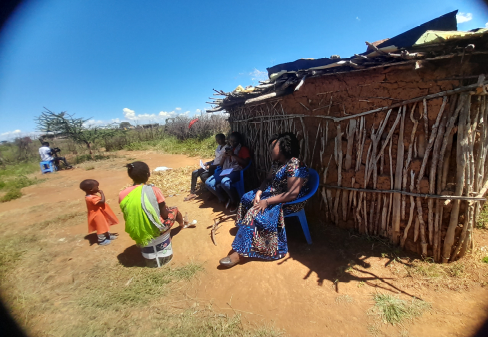
Four mothers are identified and interviewed in their own homesteads, each guided through a full consenting process before a single question is asked.
A community dialogue brings together women living with HIV, the KRCS communication team, Radio Ashe, the Sub-County ASCO, and the SCPLN programme team.
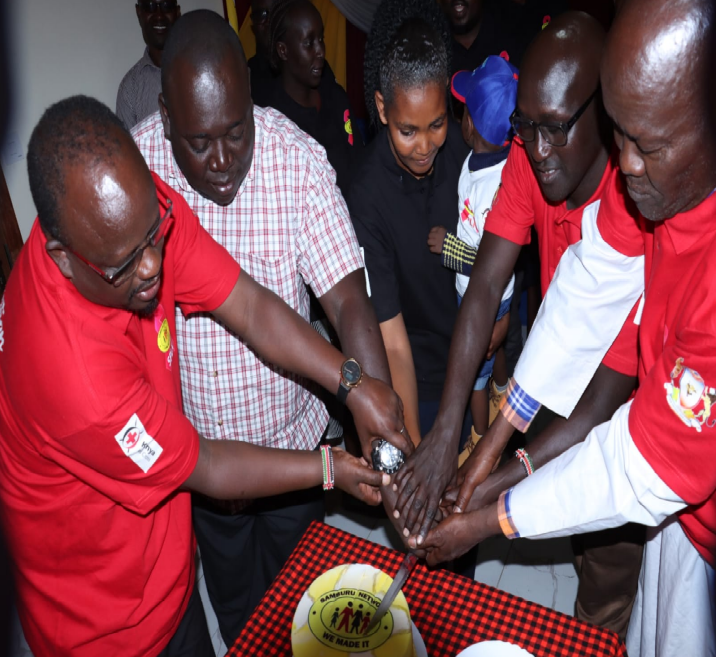
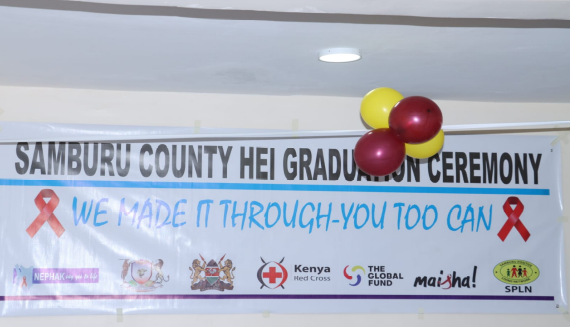
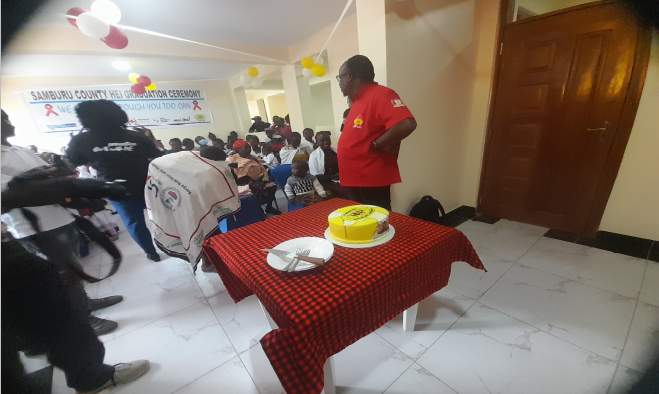
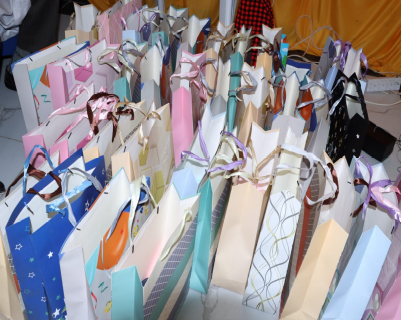
Graduation day. Thirty-six HEIs from two facilities are celebrated at Samburu County Referral Hospital.
What it takes to be heard
Before any interview began, each mother was walked through consent — not as a formality, but as a real choice about how much of herself she was willing to put forward.
Three of the four mothers chose to share their stories on their own terms: voices distorted, faces unseen, names withheld. What they gave up in visibility, they hoped would be repaid in impact — a chance to reach someone still afraid to accept their own status. One mother went further still, consenting to have her name, her image, and her full story shared.
Stigma is still one of the biggest barriers our mothers face — even at a moment as joyful as graduation, many could not consent to being seen. From the meeting report, under Challenges
The day itself
The ceremony took place at Samburu County Referral Hospital, where health workers, families, and county leadership gathered to mark the graduation of 36 children from two facilities in Central — a meaningful achievement in a county where the stigma index remains high.
What's still hard, and what's next
High stigma remained the single biggest obstacle — many mothers who were proud of their children's outcomes still couldn't bring themselves to be photographed or named. The team's response is a small but deliberate change: introducing themselves and the purpose of the visit more warmly, before consent is ever asked for, so the conversation starts from trust rather than a form.
Shared with
SCPLN Executive · Monitoring & Evaluation Assistant · Finance Officer · Project Officer · PR Upper Eastern Regional Team (Regional Program Coordinator & Regional M&E Officer)
Thirty-six children now carry a future ahead of them, free of HIV. Behind every graduation is a mother who stayed on treatment, an expert mother who kept showing up, and a community learning — slowly, deliberately — to meet HIV with support instead of stigma.