
Twenty-five people vanished from the treatment records in Samburu Central this August — not from care itself, but from the appointment book. They'd missed a scheduled visit, and under the county's tracing system, that's enough to send a peer champion looking for them. By the end of the month, 24 of the 25 were back.
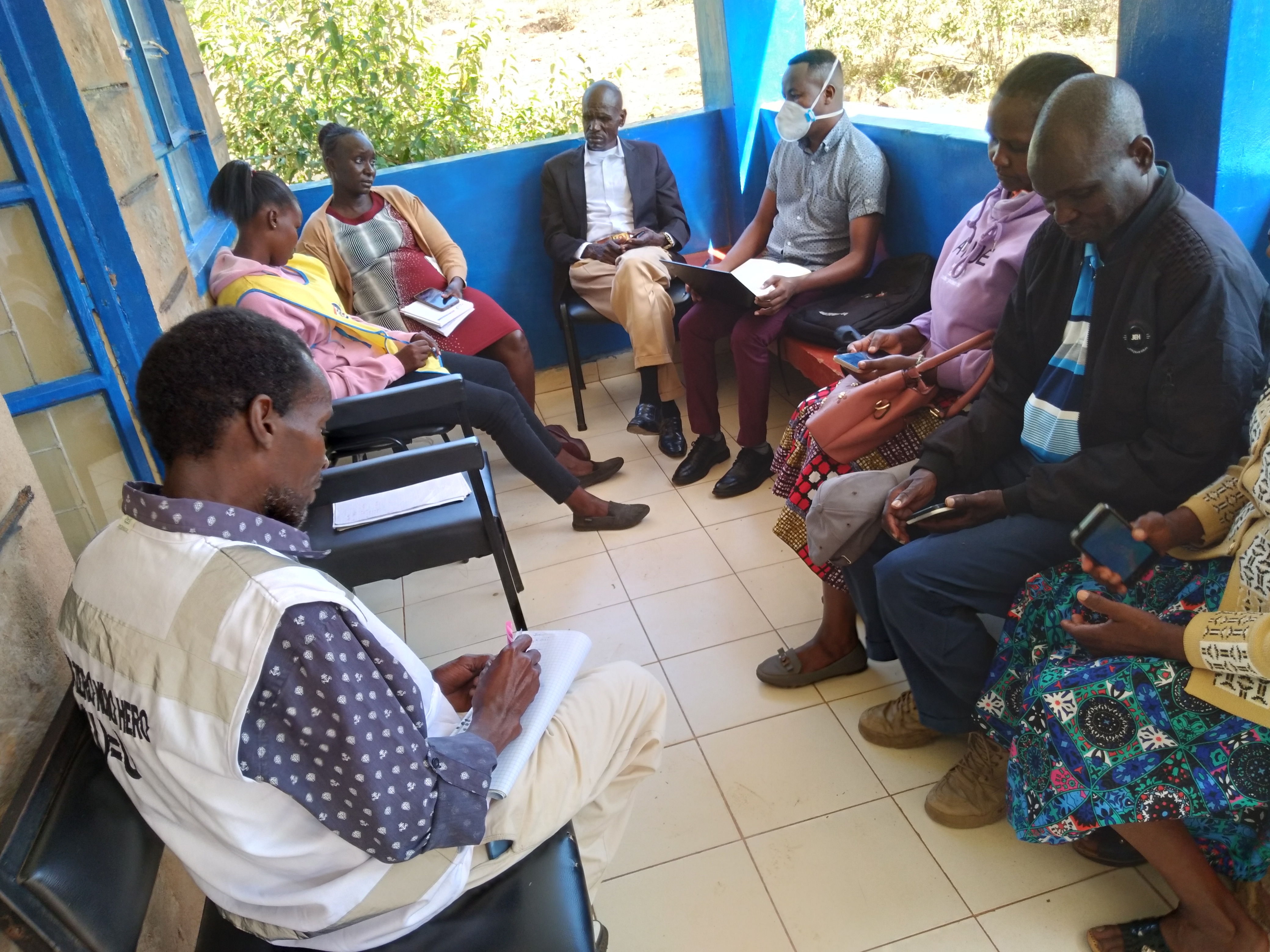
SPLN engages Peer Champions as community volunteers to run defaulter tracing in selected facilities across Samburu Central, under the Treatment, Care and Support module of its Global Fund-supported programme. Their job is simple to describe and hard to do: find people living with HIV who've fallen off the appointment schedule, and bring them back into care.
How someone gets found
The process runs in stages: a client misses an appointment, the facility flags them as a defaulter, and a peer champion sets out — on foot, by motorbike, however the terrain allows — to trace them in the community.
A client at Kisima, SCRH, or Suguta Health Centre doesn't show up for their scheduled visit and is listed as a defaulter requiring physical follow-up.
Six community volunteers, engaged across the three facilities, physically locate the client — often travelling into hard-to-reach, semi-nomadic settlements to do it.
24 of the 25 listed defaulters are brought back into care in August — a 96% reintegration rate. One remains under active follow-up.
Peer champions continue monthly check-ins. Of 33 clients reintegrated the previous month, 32 (97%) were still active in care by the end of August.
Why people go missing from care
When peer champions finally caught up with clients this month, the most common answer wasn't indifference — it was movement. Seven clients had simply travelled, a reflection of the pastoralist and semi-nomadic lifestyle common across Samburu, where families follow pasture and water during the dry season. Six more couldn't get time off work or school. A handful had enough medication at home to feel there was no urgency, and a few pointed to lack of transport, stigma, or simply forgetting the date.
During dry seasons, many community members move to different locations in search of pasture and water for their livestock, which can make it difficult for clients to attend their scheduled appointments. From the defaulter tracing report
.jpeg)
.jpeg)
What's making tracing harder
Names and addresses on file don't always match what people use in daily life, which slows down the search before it even starts. The county itself is vast, and some clients live far enough from any facility that reaching them costs real time and money. Alcohol and substance use complicate a handful of encounters, and, as with the missed appointments themselves, mobility and competing work or school commitments remain a constant undertow against retention.
What comes next
- Keep client contact details and addresses updated at every clinic visit, with peer champions helping validate them.
- Build differentiated, flexible scheduling — including multi-month drug dispensing — for clients whose lives move with the seasons.
- Strengthen routine screening and referral for alcohol and substance use alongside HIV care.
Shared with
SPLN Executive · Regional Program Coordinator · Regional M&E Officer · Project Officer · Finance Officer
Ninety-six percent isn't a perfect number, but it's a meaningful one — it means 24 people who had quietly drifted out of care are back on treatment, largely because someone was willing to go and find them. The one client still being traced is exactly why the work doesn't stop at the end of the month.